
Kind Fashion: Top 5 Eco-Friendly Fabrics You Need in Your Wardrobe
Fashion is no longer just about looking good. It’s about making choices that feel good too. Today, sustainability is more than just a trendy term; it’s a lifestyle choice. As we rethink our wardrobe, the fabrics we choose significantly impact the planet. Choosing eco-friendly fabrics helps the environment and allows you to embrace style with kindness. If you’re ready to make your wardrobe both fashionable and sustainable, here are the top five eco-friendly fabrics you should know about.
1. Organic Cotton
Organic cotton is one of the most popular eco-friendly fabrics, and for good reason. Unlike conventional cotton, which often uses harmful pesticides and chemicals, organic cotton grows naturally. This protects the soil, water, and farmers’ health, making it a truly sustainable choice.
Soft, breathable, and hypoallergenic, organic cotton feels gentle against the skin. It’s perfect for casual wear, whether it’s t-shirts, tops, dresses, or loungewear. Organic cotton offers comfort without sacrificing style. Investing in organic cotton also helps reduce water pollution and supports ethical farming practices. By choosing organic cotton, you’re not just buying clothing; you’re contributing to a cleaner, healthier planet.
2. Ahimsa Silk (Peace Silk)
Silk has always been linked to luxury and elegance, but traditional silk production can harm silkworms. Ahimsa silk, also known as peace silk, offers a compassionate alternative. This ethical fabric allows silkworms to complete their natural lifecycle before harvesting the silk. The result is the same luxurious softness and sheen you love about silk, without compromising on ethics.
Ahimsa silk is perfect for special pieces in your wardrobe—flowy kurtas, elegant blouses, or chic dresses. It’s not only a sustainable choice but also a statement of conscious luxury. Wearing ahimsa silk is like wearing kindness, reminding us that fashion can be beautiful inside and out.
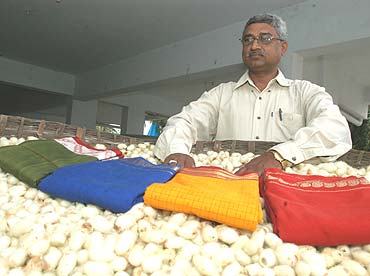
Ahimsa silk: Without killing a single silkworm)
3. Recycled Cotton
Every year, tons of cotton scraps go to waste during garment production. Recycled cotton addresses this issue by turning leftover fibers into new fabric. By using recycled cotton, we reduce textile waste, save energy, and prevent pollution from producing new cotton.
Recycled cotton is surprisingly versatile. You can use it for casual tees, jackets, and even accessories. Its texture may vary slightly from new cotton, giving each piece a unique charm. Incorporating recycled cotton into your wardrobe is a simple yet impactful way to support sustainable
4. Cork Fabric
Cork fabric might sound unusual, but it’s becoming a favorite in eco-conscious fashion. Harvested from cork oak trees without cutting them down, this fabric is completely renewable. The trees naturally regenerate their bark, making cork a highly sustainable option.
Cork fabric is durable, lightweight, and water-resistant, making it ideal for bags, shoes, and accessories. Its natural texture gives an earthy, organic vibe, adding a unique touch to your style. By choosing cork fabric, you’re not just wearing a fashion piece; you’re supporting biodiversity and responsible forestry. It’s nature-friendly fashion at its best.
5. Hemp Fabric
Hemp is a powerhouse of sustainability. Known for its strength, durability, and biodegradability, hemp requires little water and no pesticides to grow. It also improves soil health, making it an excellent choice for regenerative farming.
Hemp fabric is versatile and can suit everyday essentials like shirts, pants, jackets, and even accessories. It naturally softens with each wash, becoming more comfortable over time. Beyond its practicality, wearing hemp supports a circular fashion economy. By choosing hemp, you’re embracing a fabric that’s kind to the planet and resilient enough to last for years.
At WearKindly, we believe fashion should reflect kindness—not just to ourselves but to the planet and everyone involved in fashion. By embracing eco-friendly fabrics, you’re not just dressing well; you’re making conscious choices that turn your wardrobe into a force for good.
Remember, fashion with purpose is always in style. Start today, one fabric at a time.